Stories in Wood, Steel, and Second Chances

Join us as we explore Upcycling Narratives: turning salvaged furniture into story-rich focal points that command attention and compassion. We’ll trace how forgotten chairs, distressed cabinets, and curbside castoffs become meaningful anchors, blending craft, sustainability, and memory. Expect practical techniques, heartfelt anecdotes, and ideas for staging pieces so their histories shine, inviting conversations, stewardship, and pride. Share your own finds and subscribe to keep the dialogue thriving as we rescue character, one piece at a time with care, creativity, and community spirit.

Sourcing With Curiosity and Respect

Hunting for pieces with history begins long before the first sanding pass. It starts with listening: to neighborhoods in transition, to families clearing attics, to builders saving trim, and to objects whispering where they came from. Respectful sourcing means asking permission, paying fairly when appropriate, and documenting provenance, so the eventual focal point carries an honest story. Along the way, stay safe, be patient, and let serendipity guide the finds that want to be found.

Choosing a Story Arc

Decide whether this piece will be a quiet memoir preserving patina, a transformative remix highlighting bold contrasts, or a hybrid celebrating both scars and new craftsmanship. Give the project a working title and intention. For example, a factory stool can become a kitchen perch that honors industrial edges while adding supportive bracing. Being explicit about your narrative arc keeps decisions consistent, from hardware choices to finish sheen, and helps avoid aimless sanding or decoration.

Material Pairings That Speak

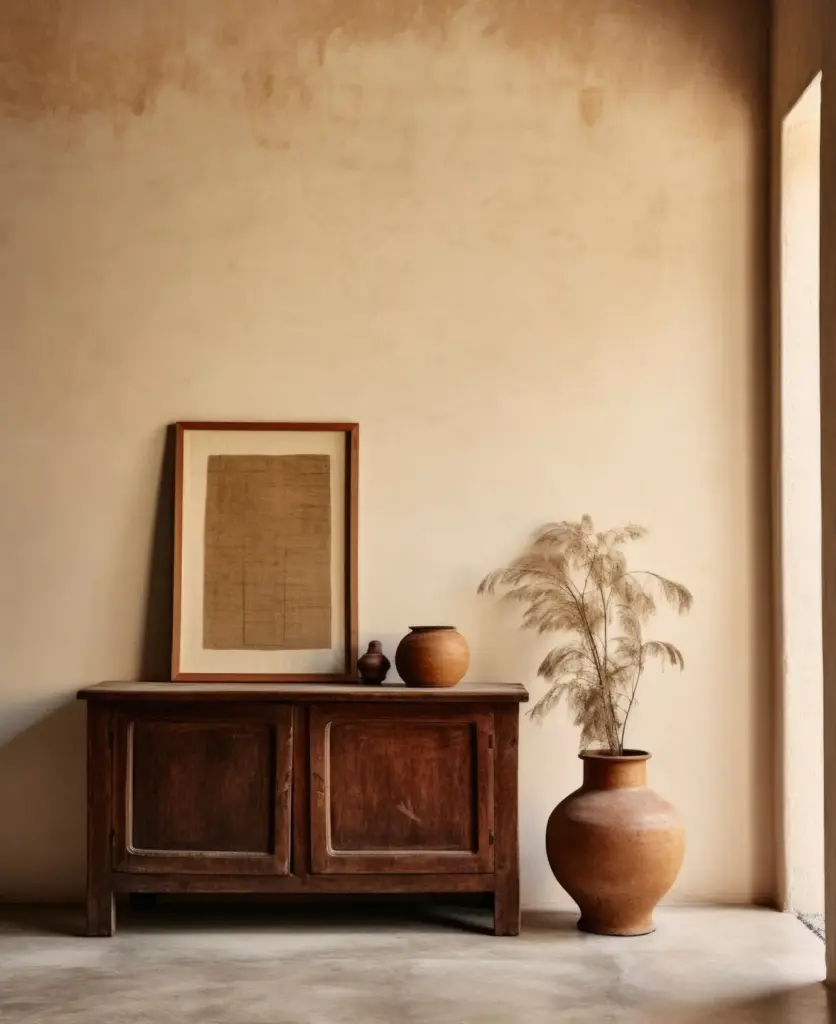
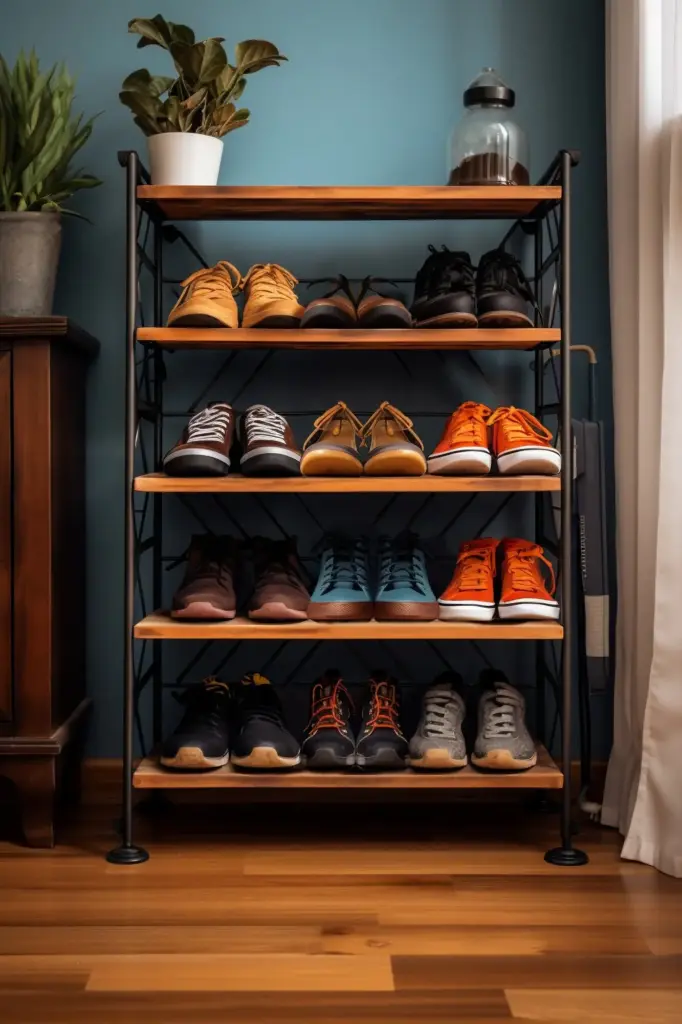
Select companion materials that complement, rather than drown out, the original voice. Pair warm oak with brushed brass that ages gracefully, reclaimed steel with linen upholstery that breathes, or maple with hand-dyed canvas straps. Use textures to frame patina instead of covering it. Repetition—a brass screw echoed by a brass foot cap—creates cohesion. Let color accents reference the object’s past, perhaps matching a historic paint fragment or signage hue discovered under a later coat.

Sketchbooks, Moodboards, and Oral Histories

Combine sketches and moodboards with interviews, location notes, and archival photos to anchor the design in real memory. Print a map showing where the piece was found, or collect short quotes from the previous owner. Even a single anecdote—a school lab bench nicked by decades of experiments—can guide your joinery choices or suggest a protective finish. This curated research keeps the final design both emotionally grounded and visually coherent, reducing second-guessing during construction.

Techniques That Protect Character While Elevating Function

Treat the work like conservation with creativity. Aim for reversible methods when possible, preserve evidence of craftsmanship, and reinforce structures to meet modern use. Clean gently before refinishing, repair rather than replace, and document every intervention. Avoid over-sanding patina into oblivion. Celebrate hand marks, tool lines, and growth rings while ensuring drawers glide, seats hold, and surfaces resist daily wear. It’s a conversation between yesterday’s hands and yours, conducted with patience and humility.

Making It the Focal Point Without Shouting

Embodied Carbon You Didn’t Have to Buy

Manufacturing new furniture consumes energy at every stage: harvesting, milling, adhesives, transport, and finishing. Reusing an existing carcass sidesteps much of that hidden burden. While precise numbers vary, salvaging a solid oak desk likely avoids far more impact than purchasing a new composite equivalent. Add local sourcing and minimal packaging, and the savings deepen. Document your decisions so future caretakers understand why the greener path is also the most character-rich and satisfying.

Local Hands, Local Stories

Each repair puts real work into real neighborhoods—finishers, upholsterers, metalworkers, and apprentices learning trades with dignity. Commissioning a small shop or trading skills with a neighbor weaves community into the object. The result is more than furniture; it becomes a record of relationships. When people know who mended the chair they sit on, they treat it with respect, sustain livelihoods, and carry pride that spreads through markets, porches, and weekend workshops.

Community, Mentorship, and Continuing the Conversation

These projects flourish when stories circulate. By sharing process notes, mistakes, sources, and triumphs, you help others begin. Invite questions, trade materials, and celebrate small wins like a rescued hinge or a repaired drawer runner. Offer mentorship where you can and ask for guidance where you need it. The conversation becomes a support ecosystem that keeps valuable objects in use and keeps people connected through making, gratitude, and responsible stewardship of shared material culture.
Tehaxifazazenati
Privacy Overview

This website uses cookies so that we can provide you with the best user experience possible. Cookie information is stored in your browser and performs functions such as recognising you when you return to our website and helping our team to understand which sections of the website you find most interesting and useful.