Healthy Shine, Lasting Wood

What Makes a Finish Truly Safe
Understanding VOCs and Off-Gassing
VOCs are not just about an initial smell; they include compounds that can evaporate for weeks while you live, cook, and sleep nearby. A low-VOC label is helpful, but emission testing after application is even more relevant to your breathing space. Prioritize high-solids products that need fewer solvents, and finishes that polymerize or coalesce completely. Remember ventilation and realistic cure times. The quiet, clean air several days later is the true test, not the pleasant scent immediately after brushing.
Certifications That Matter
Independent certifications can verify low emissions and safer ingredients, helping you navigate marketing claims with confidence. GREENGUARD Gold, Blue Angel, and the EU Ecolabel are widely recognized for strict indoor air criteria. For surfaces frequently touched by children, look for EN 71-3 compliance demonstrating limited heavy metal migration. Ingredient disclosure through platforms like Health Product Declarations or Declare labels supports informed choices. Certifications are not perfect, but they offer a verified baseline, clarifying which products go beyond slogans to measurable health and sustainability performance.
From Oils to Waxes to Waterborne Shields
Plant-Based Oils in Practice
Pure tung and thoughtfully polymerized linseed oils penetrate fibers, enhancing figure without plastic sheen. Applied in thin coats and buffed thoroughly, they harden into a protective matrix that is easy to refresh locally. Patience with curing and disciplined wiping prevent tacky surfaces and dust capture. These oils excel in bedrooms, studies, and calmer living spaces where a gentle glow matters more than maximum abrasion resistance. Keep a small maintenance kit ready, and occasional touch-ups reward you with timeless warmth and a living, breathable surface.
Hardwax Oils for Busy Rooms
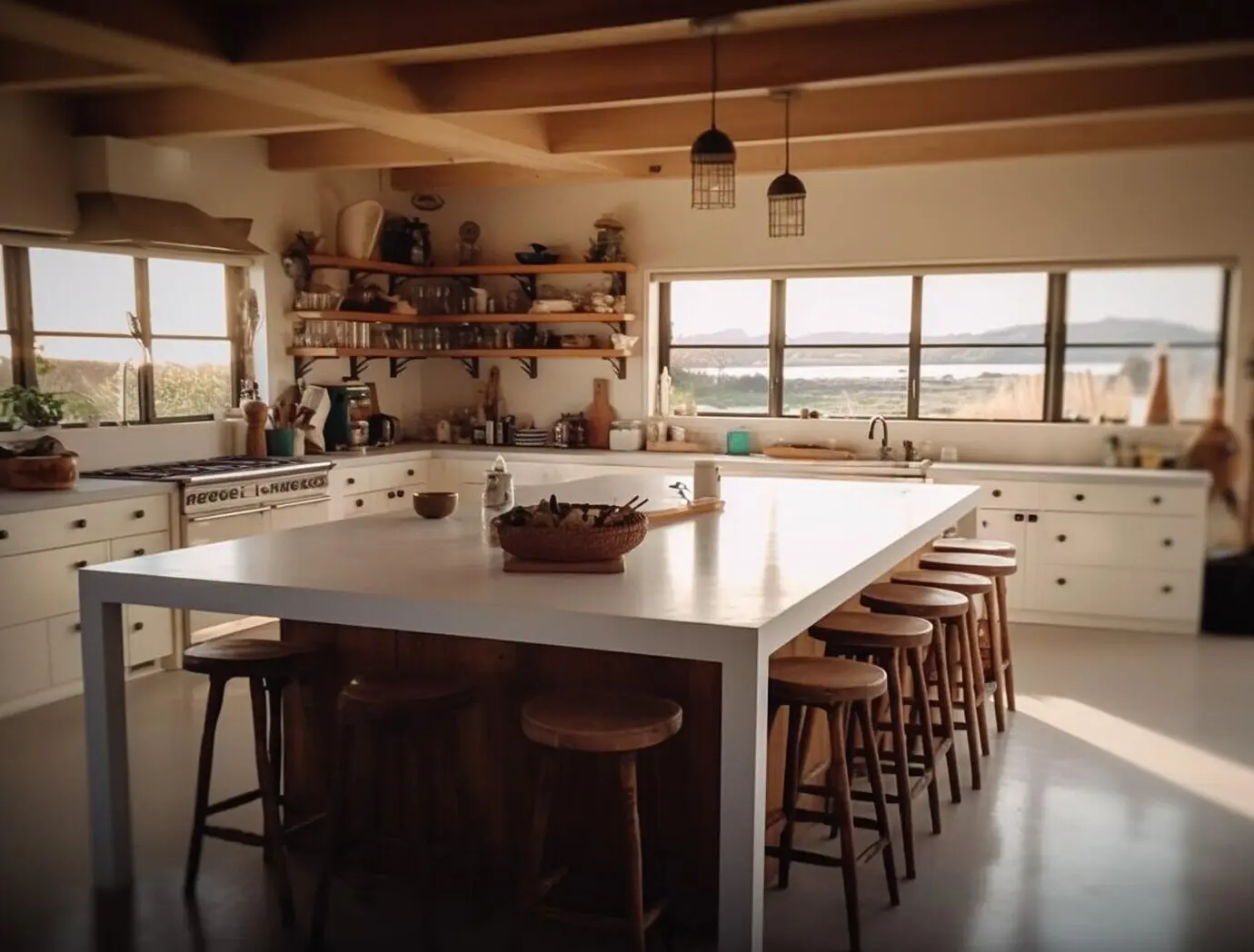
Hardwax oils combine penetrating oils with natural waxes, creating a resilient finish that resists stains and micro-scratches while retaining a tactile, wood-first feel. They shine in kitchens, halls, and dining spaces where damp shoes, chair legs, and crumbs bring daily tests. Spot repairs remain feasible, often without complete sanding, preserving both indoor air quality and material integrity. Select products with low emissions and clear maintenance instructions. When regularly refreshed, these finishes develop a welcoming patina that tells stories of family meals, celebrations, and quietly industrious mornings.
Waterborne Poly and When to Use It
Modern waterborne polyurethanes deliver strong abrasion resistance with low odor and rapid reoccupancy, making them ideal for high-traffic floors and stairs. Prefer single-component systems without added isocyanate hardeners when possible, and verify low emissions through reliable testing. They maintain color clarity on pale woods and can be selected in sheens from matte to satin to semi-gloss. While spot repairs are trickier than with oils, careful scuff-sanding and recoating can refresh worn zones. For active homes and commercial corners alike, they balance toughness with indoor comfort.

Sanding for a Clean, Safe Bond
Progress through grits thoughtfully, finishing with the manufacturer’s recommended grit for the chosen product. Over-sanding can burnish pores and reduce penetration, while under-sanding leaves scratches that finishes magnify. Vacuum meticulously, then tack with a lint-free cloth to remove lingering dust without introducing residue. Keep shoes clean and pets away during preparation. When the surface is quietly flawless and dry, safer finishes perform as promised, resulting in even absorption, crisp edges, and a forgiving foundation for future repairs that do not require aggressive abrasion.
Applying Thin, Even Coats
Thin coats cure more completely and predictably, reducing trapped solvent and uneven sheen. With oils, saturate modestly, wait briefly, and wipe thoroughly to leave only what wood can accept. With hardwax oils, follow spread rates and buff to uniformity. With waterborne films, maintain a wet edge, avoid over-brushing, and honor recoat windows. Replace worn applicators quickly to prevent streaks or lint. Your patience pays dividends in indoor comfort, as efficient curing reduces lingering odors and enables gentle, timely return to the rhythms of home.
Curing and Ventilation Without Compromise
Curing is chemistry in slow motion, and ventilation helps it proceed cleanly. Cross-ventilate without creating dust storms, and maintain moderate warmth so reactive oils and waterborne binders reach stability. Resist heavy traffic until the finish achieves functional hardness, then expand use gradually. Place breathable mats at entries and felt under furniture sooner than later. The result is not just a good-looking surface but a healthier microclimate, where the invisible progression from wet to durable happens calmly, with minimal residual odor and fewer airborne irritants.
Care Routines That Keep Air Clear
Repair and Renewal with Minimal Footprint


Real Spaces, Real Results

All Rights Reserved.